 info@patafest.eu


Tiny Pests, Big Losses:
Post-Harvest Threats
Post-harvest potato threats include fungal diseases such as black dot, silver scurf and dry rot. These diseases mainly affect tuber appearance, storage quality and market value, causing economic losses even when crop yield is not severely reduced.
Black Dot
What is it?
Black dot is a potato tuber blemish caused by the fungus Colletotrichum coccodes. While it usually doesn’t reduce yields, it can cause significant economic losses as it makes washed and pre-packed potatoes less visually appealing to consumers.
Which crops are affected?
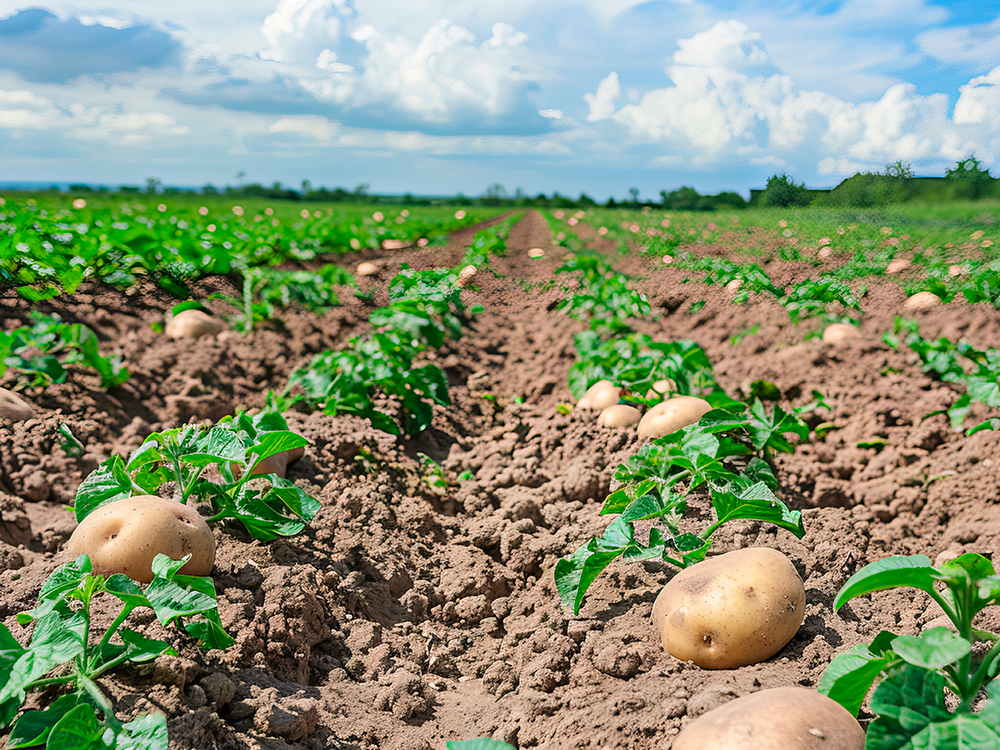
The same fungus that causes black dot on potatoes can also infect tomatoes causing anthracnose and other solanaceous plants in the nightshade family, which include some weeds and related crops such as pumpkin, carrot, celery, garlic, onion, spinach and broccoli.
How is it transmitted?
Black dot can spread in two main ways: by planting infected seed potatoes in clean soil, or by planting healthy seed potatoes in soil that already contains the fungus.
What are the main vectors?
Black dot spreads mainly through soil and infected plant material, not through insects or wind over long distances.
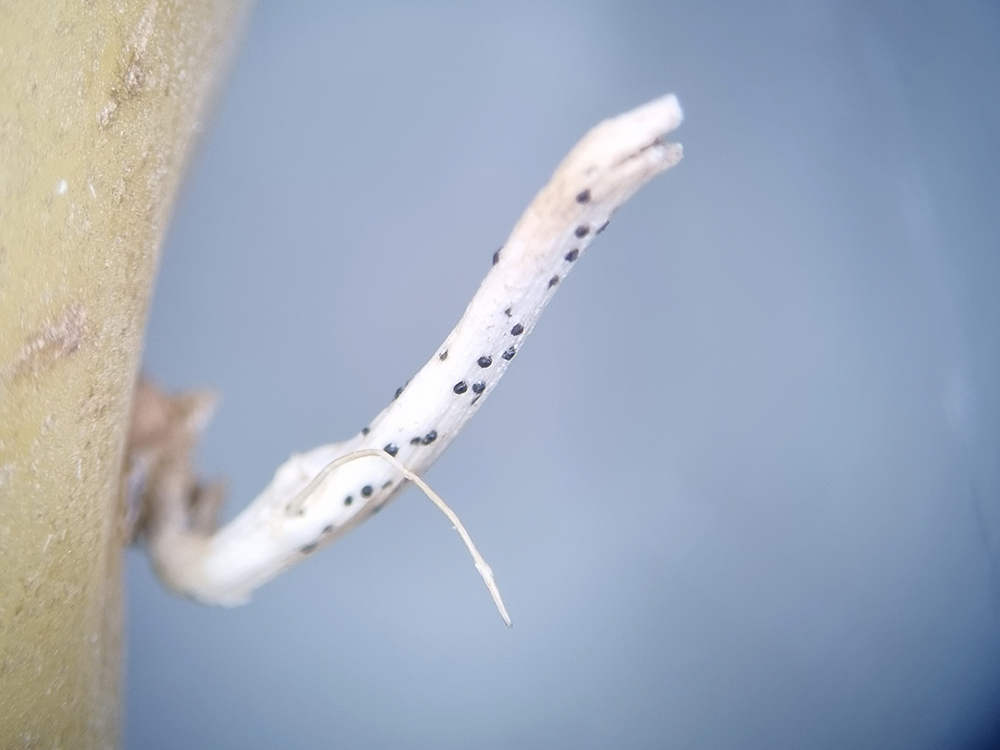
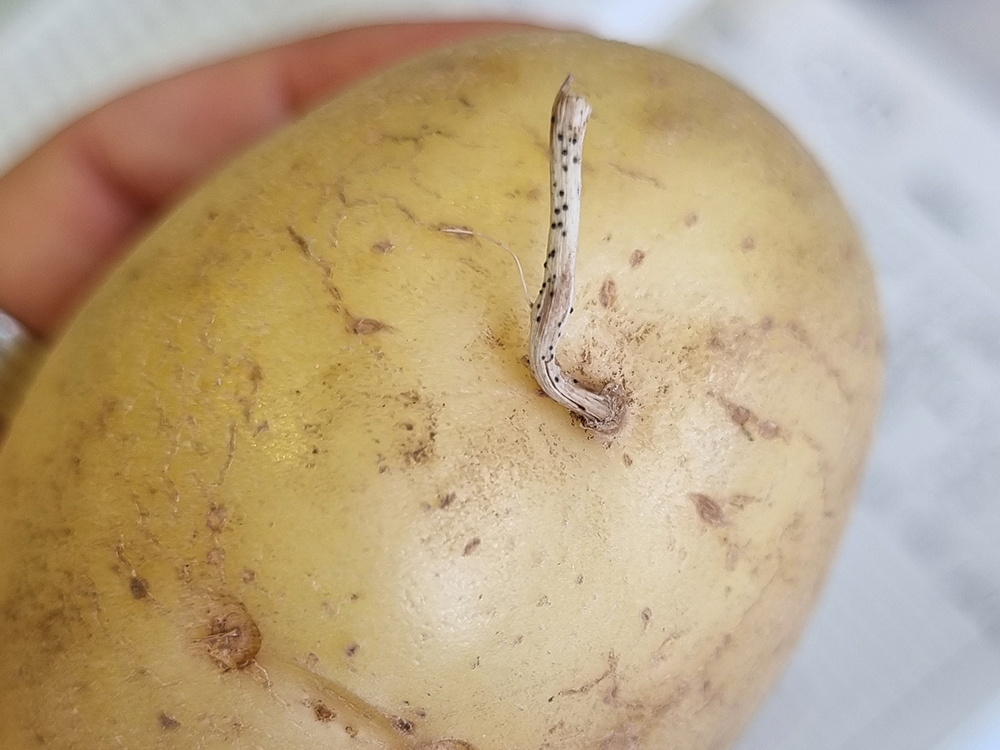
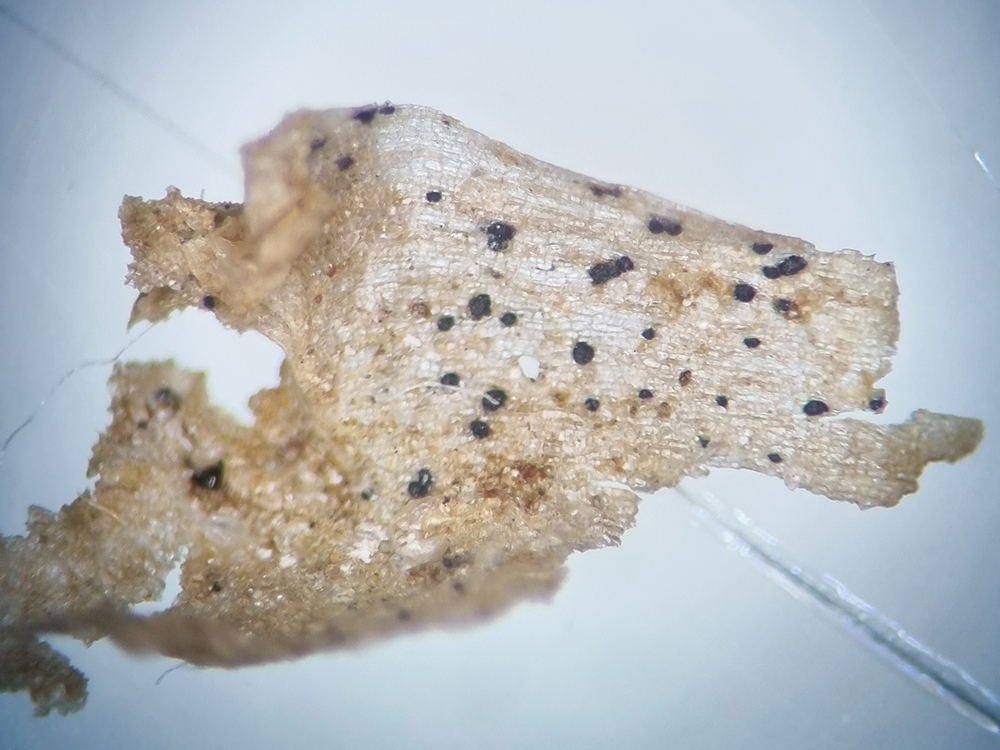
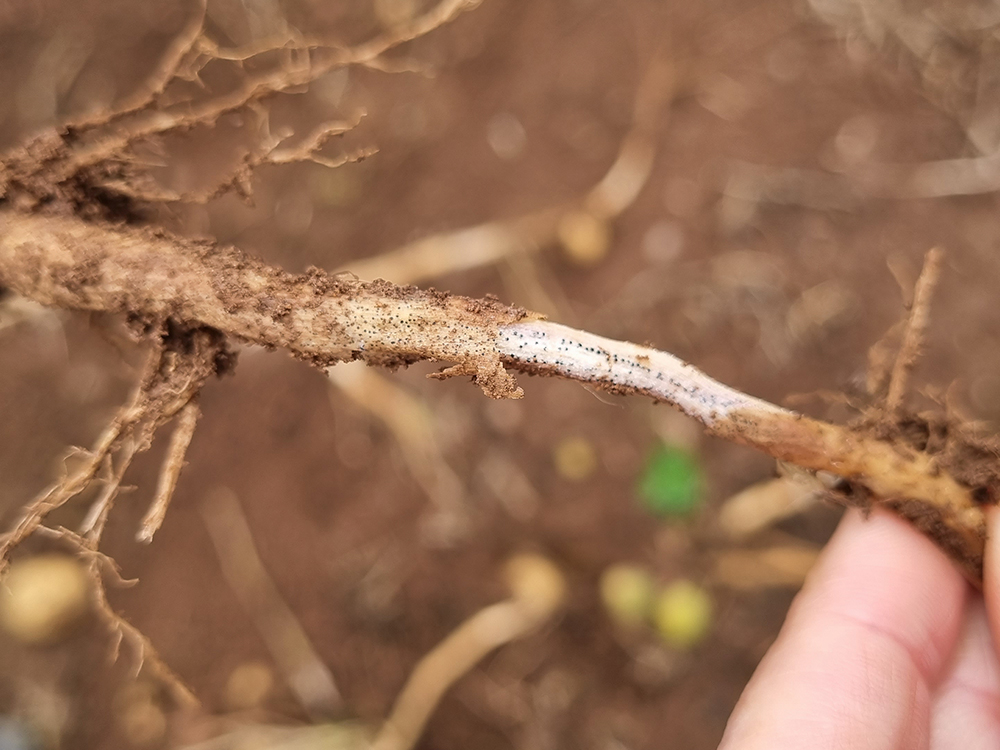
Photo by: Marta Sanzo-Miró
Damage caused by black dot
Black dot mainly causes quality losses rather than yield losses, but these can still have a strong economic impact.
On the potato crop
- The disease can infect stems, roots, and underground shoots (stolons).
- It may cause weakening of stems, sometimes leading to wilting.
- Infected plants can show early ageing (early senescence), which may reduce overall plant health.
- These symptoms are often mild and may be confused with other wilt diseases.
On the tubers
- Damage is usually visible at harvest, and it gets worse during storage.
- The potato skin develops brown or grey patches with tiny black dots.
- Lesions are often irregular in shape and may not have clear edges.
- On red-skinned potatoes, symptoms may look silvery and be confused with silver scurf.
- Although potatoes are perfectly edible, their appearance is poor, making them less suitable for washed and pre-packed markets.
Overall impact
- Reduces the visual quality of potatoes, leading to lower market value and consumer rejection.
- Can increase losses during storage and packing.
Measures to reduce the spread of black dot
Current strategies to manage potato black dot include:
Use healthy seed potatoes to avoid introducing the fungus into clean soil.

Select potato varieties that are less susceptible.

Practice long crop rotation.

Control weeds that can host the fungus, like black nightshade and fat hen.

Apply fungicides at the right time and always follow recommended timing and dosage guidelines.

Maintain good storage practices - proper ventilation, temperature, and humidity.

Clean equipment and tools - remove soil and plant debris from machinery, tools, and containers to prevent moving the fungus between fields.
Silver Scurf
What is it?
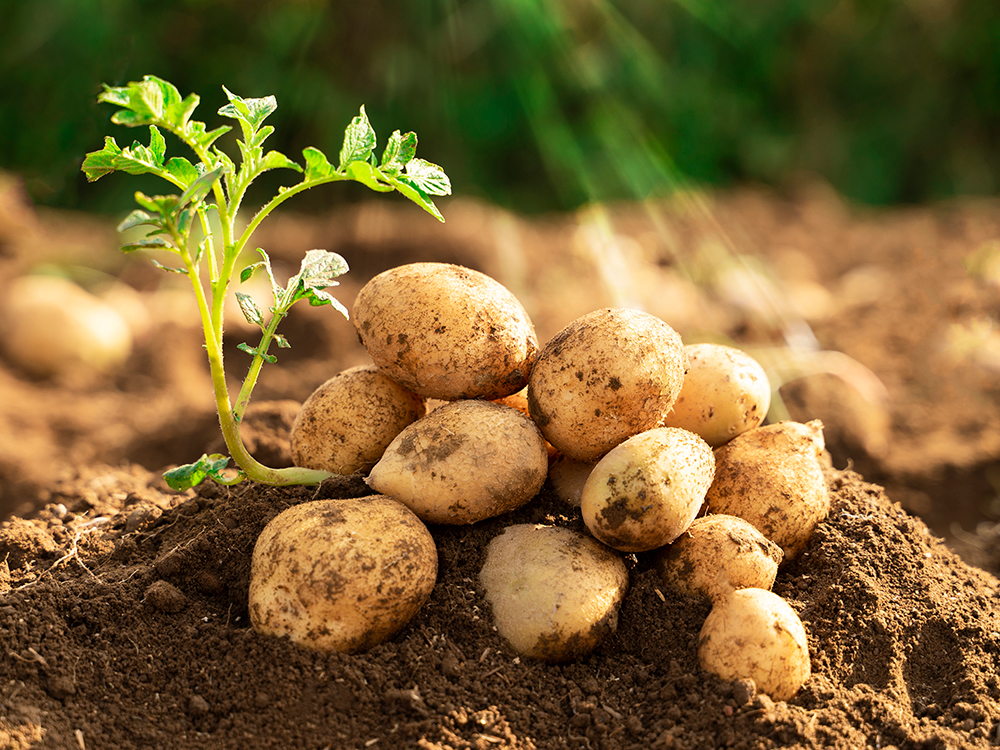
Silver scurf is a potato tuber blemish caused by the fungus Helminthosporium solani. It usually doesn’t reduce the number of potatoes grown, but it can lower their quality, especially for washed or pre-packed potatoes. Infected tubers develop silvery-grey patches that can merge into larger areas; the skin becomes weakened (prone to scuffing and can wrinkle during storage).
Which crops are affected?
Silver scurf mainly affects potatoes. It can sometimes be confused with black dot, but the two diseases are caused by different fungi and have different symptoms.
How is it transmitted?
- From infected seed potatoes planted in clean soil.
- From spores already present in the soil.
- From spores remaining in storage from previous crops.
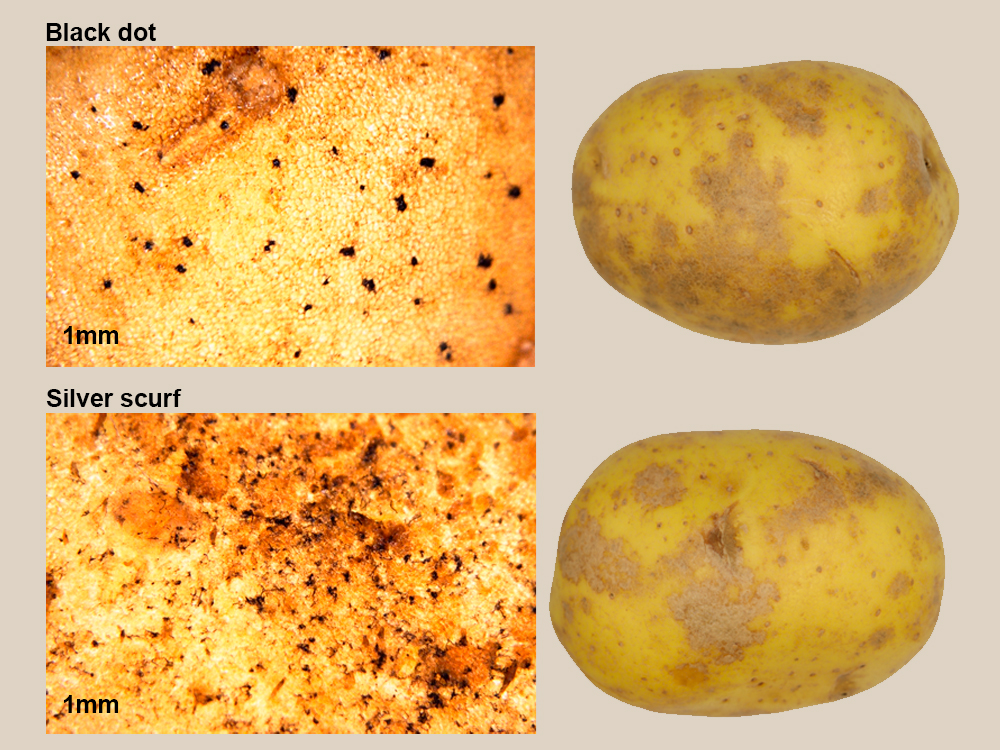
Photo by: Marta Sanzo-Miró
Measures to reduce the spread of silver scurf
Current strategies to manage potato silver scurf include:
- Use healthy seed potatoes to avoid introducing the fungus into clean soil
- Select less susceptible varieties.
- Practice long crop rotation.
- Take potatoes out of the field as soon as they are mature and avoid leaving them in the soil for long after the vines have died — the longer they stay, the more silver scurf can develop.
- There are fungicides available that can be applied as a seed treatment, at planting, or to tubers just after harvest before they go into storage. These can help reduce infection levels.
- Dry tubers quickly after lifting to remove surface moisture and help the skin heal. Warm, humid conditions encourage silver scurf, so rapid drying reduces risk.
- Maintain good storage practices - proper ventilation, temperature, and humidity. Avoid storing different batches together if one is known to have silver scurf, as spores can spread through the air system.
- Clean and disinfect storage areas, bins, and equipment to remove any spores left from previous crops.
Dry Rot
What is it?
Dry rot is a fungal disease of potatoes caused by several species of Fusarium. It is one of the most important causes of tuber decay, especially after harvest and during storage. Fusarium dry rot in potato typically shows sunken, wrinkled lesions on the tuber surface with a dry, brown appearance. Internally, the tissue may form cavities with white fungal growth. Unlike bacterial rots, it does not produce soft, watery decay.
Which crops are affected?
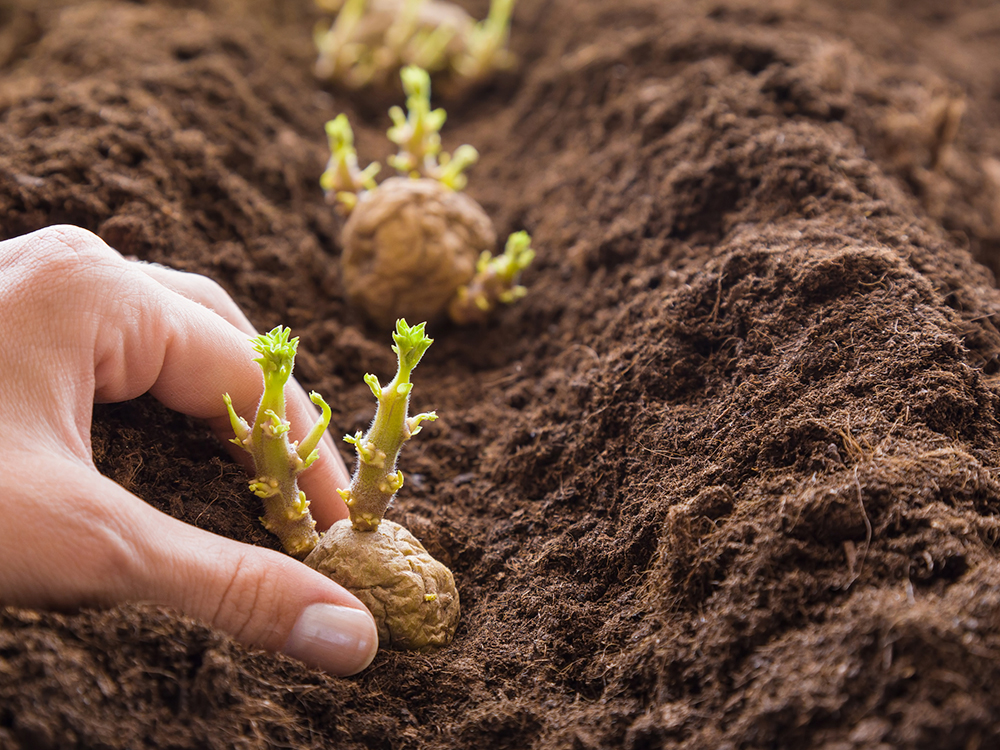
Dry rot mainly affects potatoes.
How is it transmitted?
Dry rot spreads primarily through infected seed tubers planted in the field and through soil containing Fusarium spores from previous crops. In storage, wounds on tubers, created during harvest, grading, storage, or seed cutting, provide entry points for the fungus.
What are the main vectors?
Infected seed potatoes and soil, injuries from harvesters, graders, seed cutters, and conveyors let the fungus infect tubers. Storage environments with existing spores on tubers or surfaces.
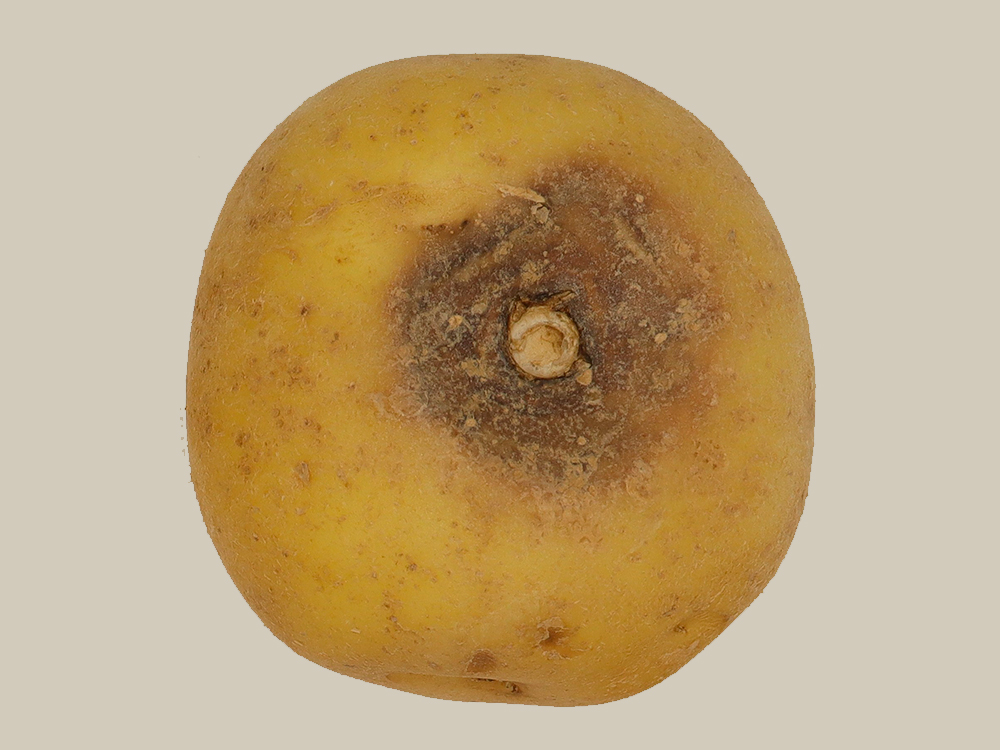
Photo by: Marta Sanzo-Miró
Damage caused by dry rot
On the tubers
- Infected potatoes develop dry, sunken, brown or black rot areas.
- Inside the tuber, the tissue can turn brown and dry, sometimes forming a star-shaped pattern around the wound.
- Infected potatoes are more likely to shrink, lose weight, and decay further in storage.
Overall impact
- Dry rot reduces the market value of potatoes and leads to significant postharvest losses.
Measures to reduce the spread of dry rot
Current strategies to manage potato dry rot include:
- Use clean seed potatoes; avoid seed with visible wounds or signs of dry rot.
- Minimise wounding of tubers; handle potatoes carefully during harvest, grading, and transport. Reduce bruising or cuts, which are entry points for the fungus.
- Fungicide treatments of seed tubers can reduce infection before planting.
- Harvest at the right time as overmature tubers are more susceptible to dry rot.
- Allow freshly harvested potatoes to cure in a warm, humid environment for a short period. This helps wounds heal and strengthens the skin to resist infection.
- Proper temperature and humidity slows fungal growth. Keep storage clean to reduce spores on surfaces that could infect new potatoes.
- Crop rotation.
Frequently Asked Questions about post-harvest potato diseases
- This article covers black dot, silver scurf and dry rot. These fungal diseases can affect potato tubers after harvest, especially during storage, packing and commercial handling.
- Black dot and silver scurf usually affect quality more than yield. Their main impact is visual damage to the tuber skin, which can reduce market value and consumer acceptance.
- Dry rot is serious because it causes tuber decay, shrinkage, weight loss and further deterioration during storage. It can lead to significant post-harvest losses.
- Potato storage diseases can be reduced by using healthy seed potatoes, limiting tuber wounds, practising crop rotation, drying tubers quickly, maintaining correct temperature and humidity, and keeping storage areas and equipment clean.
- Potatoes affected by black dot or silver scurf may still be edible, but their poor appearance can make them less suitable for washed, pre-packed or fresh market sales.