


PataFEST has released Batch I of its practice abstracts: 11 short summaries of the solutions the project is developing and testing, and of its progress and early results. Each one sums up, on a single page, a piece of work from the project that farmers, advisors, storage operators and plant health authorities can put to use.
The abstracts cover the whole potato chain: from understanding the threat of zebra chip disease, to breeding resistant varieties, protecting crops in the field and detecting diseases in storage before losses spread.
Practice Abstracts: What's inside
Understanding the threat
Zebra chip disease, caused by Candidatus Liberibacter solanacearum (CLso) and spread by the potato psyllid, has moved from North America to New Zealand and South America. In Peru it spread 800 km south in just two years. The first abstract traces its arrival in Ecuador and explains why it matters for European plant health.
Detecting diseases early, in the field and in storage
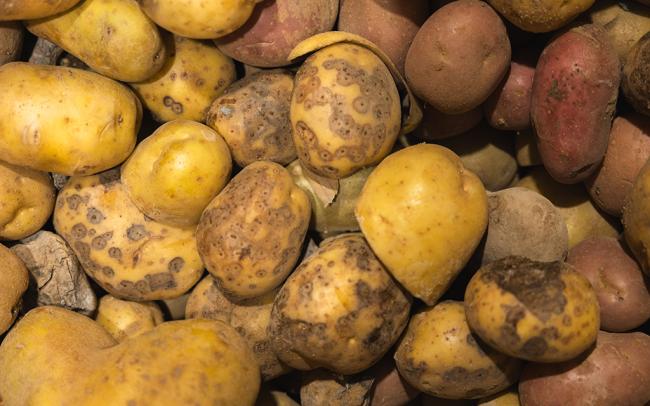
- Optical sensors: RGB and fluorescence imaging of six commercial varieties produced 51 traits that tell healthy from infected plants before severe symptoms of black dot, Fusarium or silver scurf appear.
- Portable VOC sensors: two low-cost sensors track methanol and dimethyl disulfide in the air of potato stores and send an alert at the first sign of Fusarium infection.
- Smart digital platform: sensor data, AI analysis and cloud storage come together in one simple tool for real-time monitoring of potato warehouses.
- AI surveillance models: a climate model flags European regions becoming suitable for zebra chip (over 87% of risk situations correctly identified), and a smartphone image tool detected common tuber diseases with over 95% accuracy in testing.
Breeding more resistant potatoes
PataFEST is building a catalogue of potato resistance genes: 747 known and 750 potentially new ones. Around 500 varieties have been genotyped and 350 lines tested against silver scurf, dry rot and black dot. Varieties such as 'Bafana' (dry rot) and 'Innovator' (silver scurf) proved more tolerant. Genetic association studies are now under way to find markers for breeding new resistant varieties.
Bio-based protection instead of chemicals
- Edible coatings made from natural lipids, beneficial microorganisms and enzymes are being developed to protect stored potatoes against diseases that can cause losses of up to 30%. They are designed to be applied by simple dipping.
- TechPok, a water-based spray of natural fatty acids and calcium carbonate, forms a tough physical shield against aphids and works with standard sprayers.
- Clay-based sprays loaded with essential oils reduced aphid populations by up to 90% within 24 hours in lab tests. Early greenhouse observations are promising, and the best doses are still being tested, with a view to protecting crops from the potato psyllid.
- Soil amendments from shell waste turn clam and oyster shells into carriers of phosphorus, iron, zinc, molybdenum and boron. Trials are ongoing to assess their effect on plant health and storage performance, while giving shell waste a second life.
Citizens at the heart of research
Urban gardeners in Berlin tested the project's oyster-shell fertiliser on potatoes, tomatoes, basil and even a banana tree. Participants reported faster leaf growth and recovery of diseased plants, and showed how much in-person engagement boosts participation.
Together, these solutions, several of them still being tested, aim to help the European potato sector act before problems become losses. The goal is earlier warnings, fewer chemical treatments, less food waste in storage and better preparedness against zebra chip disease. Most are designed to be low-cost and to fit into existing practices, using standard sprayers, simple dipping or a smartphone.
Explore the full collection of practice abstracts here.