


Neueste Entwicklungen und Erkenntnisse Entdecken Sie die Neuigkeiten des PataFEST-Projekts
Englische Version
Englische Version
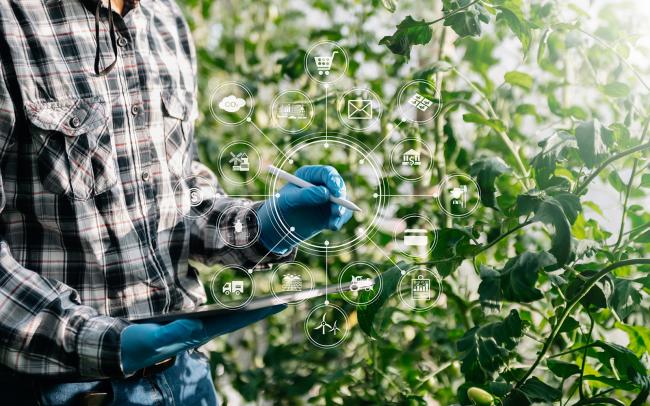
PATAFEST publishes 11 new practice abstracts sharing progress and early results on potato disease detection, bio-based crop protection and resistant varieties.

From citizen science webinars and new scientific publications to a new website section on post-harvest threats, the third edition of the PataFEST newsletter brings together the project's latest news as it enters its final stretch.

Two articles by NEIKER researchers in the magazine Tierras evaluate the susceptibility of more than 200 potato varieties to three soil-borne fungi that damage tubers during storage.
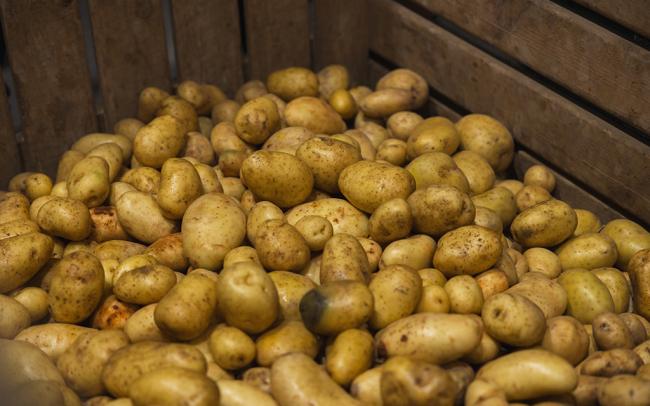
A new paper in Agronomy evaluates the response of 336 potato genotypes to Fusarium sambucinum and validates a scale for classifying their susceptibility to dry rot.
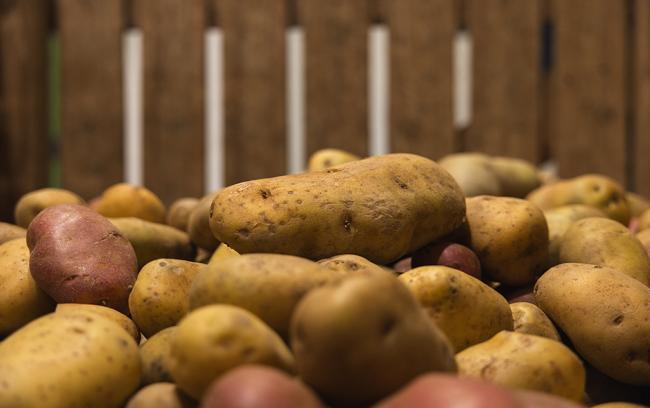
Two new papers in Acta Horticulturae explore biocontrol and controlled atmosphere as tools to manage black dot and Fusarium dry rot in potatoes.
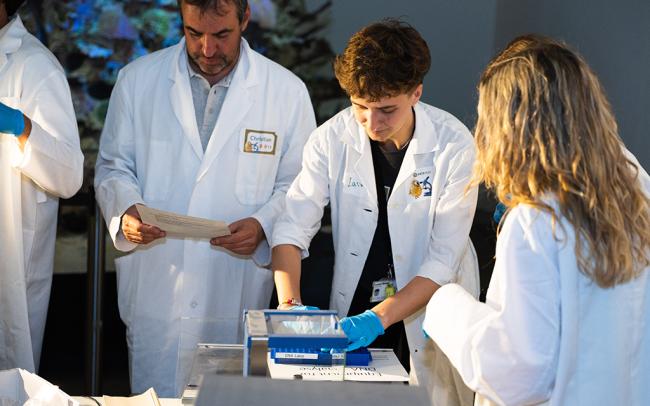
What happens when citizens join a European research project without a lab of their own? We talk to Leo Mensel, project officer at ECSA, about how PataFEST is putting citizen science into practice, engaging everyday growers in potato testing and fertiliser trials, and what it takes to truly bring people into the research process.
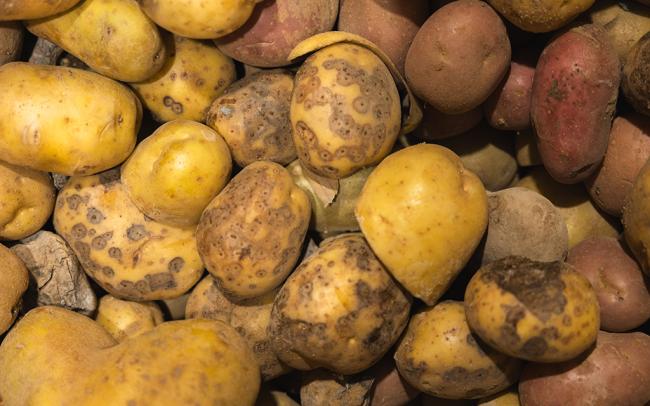
Through PataFEST, a project bringing together European and Latin American partners to protect the future of the potato against its main phytosanitary threats, INIAP, of Ecuador, brings direct experience with "zebra chip," related to the purple top complex. Specialized in potato genetic improvement, INIAP's team leads the validation of bioassays against this disease.

PataFEST is working with top European projects to make sustainable agricultural research more impactful.
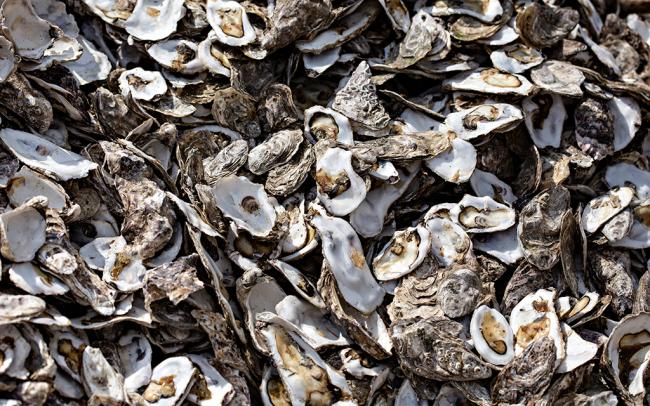
From marine waste to agricultural resource, the PataFEST project reimagines how we produce fertilizers. By transforming discarded seashells from the food industry into biofertilizers, European researchers aim to improve soil health and improve crop resilience. A circular approach that turns an abundant waste stream into an innovative solution for more sustainable agriculture.
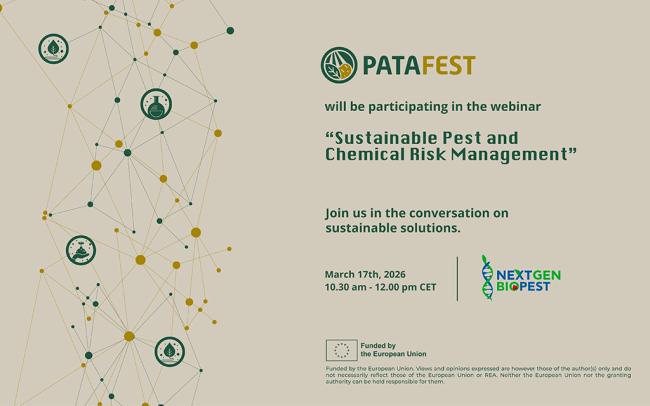
The PATAFEST project will join the NextGenBioPest webinar on 17 March to explore innovative solutions shaping the future of sustainable pest and chemical risk management in Europe.