


Over the past months, the PataFEST consortium has been busy sharing results, opening new spaces for dialogue and bringing research closer to farmers, stakeholders and citizens. The new newsletter brings all these activities together in one place.
Citizen science at the heart of the project
Together with the European Citizen Science Association (ECSA), PataFEST organised two webinars on the role of citizen science in plant health and sustainable agriculture. The first, held for the International Day of Plant Health, explored approaches ranging from breeding disease-resistant potatoes and early pest alerts to living labs and agroecological practices. The second focused on how to better engage farmers in citizen science, looking at their motivations, the challenges involved and practical ways to involve farming communities in research. Both webinars are available to watch online, the second in English and Spanish.
New scientific publications
PataFEST partners have published new research on post-harvest potato diseases. Two papers in Acta Horticulturae explore biocontrol strategies against black dot and Fusarium dry rot. A study in Agronomy by NEIKER screened 336 potato genotypes for resistance to Fusarium dry rot. Two further articles in the magazine Tierras assess how potato varieties respond to black dot, silver scurf and dry rot.
New resources for the potato sector
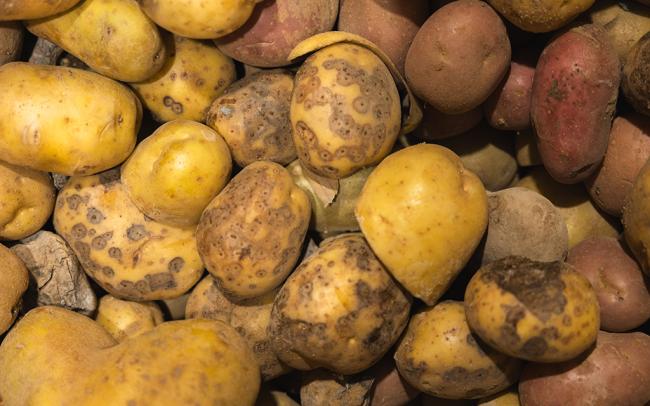
The PataFEST website now features a new section, Tiny Pests, Big Losses: Post-Harvest Threats, which explains the fungal diseases that affect potato tubers after harvest and during storage, how they spread, and how to reduce their impact. A downloadable leaflet accompanies the section.
The newsletter also highlights the PataFEST Multi-Stakeholder Platform, which brings together educational materials, data, reports, guidelines, scientific publications and citizen science activities for researchers, farmers, agronomists and policymakers.
Researchers and partners in the spotlight
This edition features the work of the Cranfield University Postharvest Research Group, who presented PataFEST results on biocontrol coatings for stored potatoes at the 32nd International Horticultural Congress (IHC2026) in Kyoto, Japan. It also includes interviews with two partners: INIAP, who shares Ecuador's experience with zebra chip, and ECSA, who explains how PataFEST involves citizens in research.
Readers will also find a recap of the M35 General Assembly at Cranfield University, the International Day of Potato webinar organised with sister projects, media coverage in Forbes Spain and Capital Radio, and partner activities at events such as the International Potato Symposium and Fruit Attraction in Madrid, and the EAPR Pathology and Pests Section Meeting in Finland. Field activities in Seville and Valencia are also covered. Finally, the newsletter shares news from the POMATO project, which has launched its new Multi-Actor Participatory Platform (MAPP).
Looking ahead
As PataFEST enters the final stretch of the project, the consortium will meet again at the end of November to discuss results, lessons learned and the project's legacy for the potato sector.
Read the full PataFEST Newsletter #3 on LinkedIn.